Your AC’s Secret Weapon: Insider Tips for Florida Comfort
Keeping Your Cool in the Florida Heat: An AC Guide for Homeowners
Florida's heat and humidity mean your air conditioning system works harder than almost anywhere else in the country. Understanding how to maintain your AC, recognize signs of trouble, and make smart choices can save you money, improve comfort, and extend the life of your system.
When to Consider Getting a New AC System
While regular maintenance can prolong your AC's life, eventually, it will be time for a replacement. In Florida, HVAC units generally last 10-15 years, though intense use can shorten this. Here are the key indicators it's time to consider a new system:
Age
If your AC unit is over 10-15 years old, it's likely operating less efficiently than newer models. Even if it's still working, it's probably costing you more in energy bills.
Frequent & Costly Repairs
Are you constantly calling for repairs? If the cost of repairs is approaching 50% of the cost of a new unit, or if major components like the compressor are failing regularly, replacement is the more economical choice in the long run.
Rising Energy Bills
A sudden or steady increase in your electricity bill without a change in usage habits can indicate your AC is losing efficiency and working harder to cool your home.
Inconsistent Cooling & Humidity
If your home isn't maintaining a consistent temperature, or if you're experiencing excessive humidity indoors despite the AC running, your system may no longer be able to keep up with Florida's demands.
Warm Air/Weak Airflow
If your vents are blowing warm air or the airflow is weak, even after checking your thermostat and air filter, it's a strong sign of a serious issue.
Strange Noises or Odors
Grinding, hissing, squealing, or foul/musty smells coming from your AC can indicate mechanical problems, refrigerant leaks, or mold growth, all of which warrant professional attention.
R-22 Refrigerant
If your existing unit uses R-22 refrigerant (Freon), it's being phased out, making repairs increasingly difficult and expensive. This is a significant factor in deciding to upgrade.
Improper Sizing
An undersized unit will struggle to cool your home, running constantly and wearing out prematurely. An oversized unit will short-cycle (turn on and off too frequently), leading to inefficiency and humidity issues. A professional can assess if your current unit is the correct size for your home.
How to Lower Your Electric Bill, Especially During the Florida Summer
Reducing your energy consumption in the summer is crucial for your wallet. Here are actionable tips for Florida homeowners:
Smart Thermostat Usage:
Set it Higher: The U.S. Department of Energy recommends setting your thermostat to 78°F (25.5°C) when you’re home. For additional savings, raise it to 82°F (27.7°C) or even higher when you’re away, and consider 82°F at night. Adjust gradually to find your comfort level.
Programmable/Smart Thermostat: Install a programmable or smart thermostat to automatically adjust temperatures based on your schedule, preventing unnecessary cooling when you’re out or asleep.
Utilize Ceiling Fans:
Ceiling fans create a wind-chill effect, making you feel cooler without actually lowering the thermostat. This allows you to raise your thermostat setting by a few degrees and still feel comfortable. Remember to turn them off when you leave a room, as they cool people, not spaces.
Seal Air Leaks:
Gaps around doors, windows, and in your ductwork can lead to significant energy loss.
Use weatherstripping and caulking to seal leaks around doors and windows.
Consider professional duct sealing services to prevent cooled air from escaping into unconditioned spaces like attics.
Maximize Shade and Insulation:
Close Blinds and Curtains: Keep blinds, shades, and drapes closed during the day, especially on sun-facing windows, to block out solar heat gain.
Improve Insulation: Good insulation in your attic and walls prevents heat from entering your home, allowing your AC to work less.
Shade Your Outdoor Unit: While ensuring proper clearance for airflow, shading your outdoor condenser unit from direct sunlight can improve its efficiency.
Limit Heat-Generating Appliances:
Cook Outside: Use your grill or microwave instead of the oven or stove during the hottest parts of the day to avoid adding extra heat to your home.
Run Appliances at Night: Run dishwashers and washing machines during off-peak hours (often late evening or early morning) when temperatures are cooler and electricity rates might be lower (check with your utility provider for time-of-use plans).
Regular AC Maintenance is Key:
This is one of the most impactful ways to lower your bill. See the “Helpful AC Maintenance Tips” section below.
Maintain Proper Airflow:
Ensure interior doors and vents are open to allow air to circulate freely. Do not block vents with furniture or drapes.
Helpful AC Maintenance Tips for Florida Homeowners
Proactive maintenance is crucial in Florida’s climate to prevent breakdowns, improve efficiency, and extend your AC’s lifespan.
Change or Clean Air Filters Regularly: This is the easiest and most important DIY task. Dirty filters restrict airflow, forcing your system to work harder and reducing efficiency. In Florida, where ACs run almost daily, check your filter monthly and replace or clean it every 1-3 months, or more frequently if you have pets or allergies.
Keep the Outdoor Unit Clean: Clear away leaves, grass clippings, dirt, and other debris from around your outdoor condenser unit. Ensure there’s at least 2 feet of clearance around the unit for optimal airflow. Gently clean the fins with a soft brush or hose.
Clear the Condensate Drain Line: The condensate drain removes moisture from your home. A clogged line can lead to water leaks, mold growth, and system shutdown. Regularly check for clogs and clear them. You can sometimes use a wet/dry vacuum for minor blockages, but professional cleaning is often recommended.
Inspect and Maintain Your Thermostat: Ensure your thermostat is functioning correctly and is calibrated properly. Consider upgrading to a programmable or smart thermostat for better control and energy savings.
Check Ductwork for Leaks: Leaky ducts can waste up to 30% of your cooled air. Inspect visible ductwork for gaps, tears, or disconnected sections. Small leaks can be sealed with HVAC foil tape, but larger issues or leaks within walls may require professional duct sealing.
Ensure Proper Insulation Around Refrigerant Lines: The insulation on the refrigerant lines helps maintain efficiency. If it’s damaged or missing, replace it to prevent cooling loss.
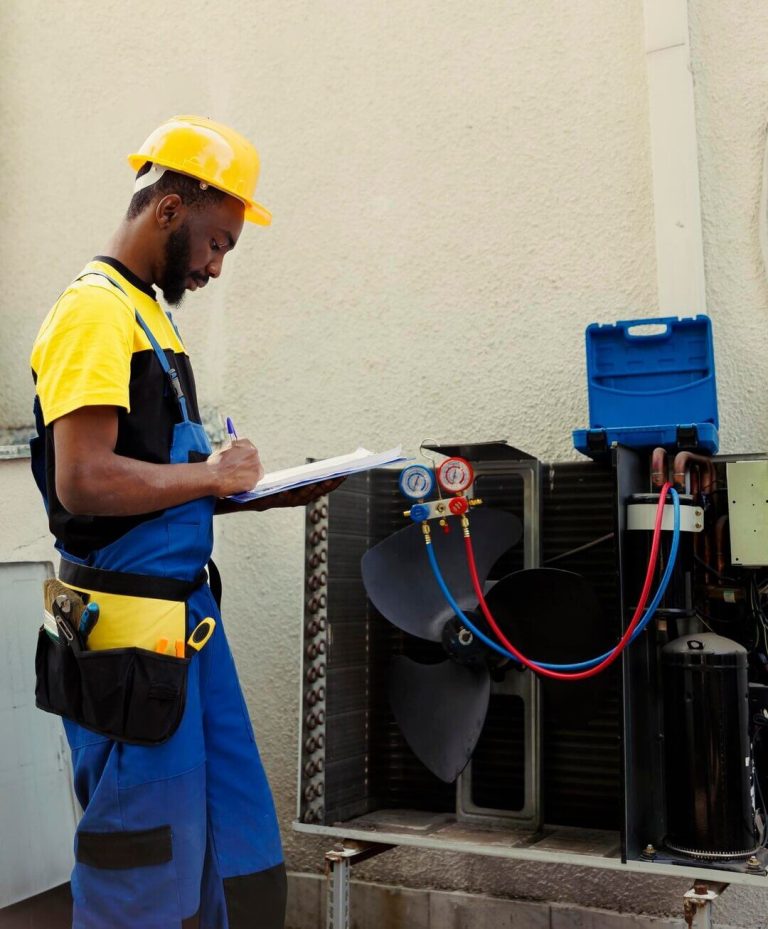
Schedule Annual Professional Tune-Ups: This is perhaps the most important tip. A qualified HVAC technician should perform an annual (or even bi-annual in Florida) tune-up. This typically includes:
Checking refrigerant levels and pressure.
Cleaning coils (evaporator and condenser) and drain lines.
Inspecting electrical components and connections.
Lubricating moving parts to reduce wear and tear.
Checking system controls and overall operation.
Assessing airflow and duct integrity.
Identifying potential issues before they become costly breakdowns